Choosing a roll off dumpster service may seem simple from a distance, but the actual delivery process involves planning, preparation, coordination, and safety checks. Whether you’re handling a home renovation, major cleanup, demolition project, or large construction job, understanding how the system works helps you avoid delays, unexpected costs, and onsite issues.
In this guide, you’ll learn the complete step-by-step process for roll-off dumpster delivery—from ordering to pickup—so you know exactly what to expect and how to prepare. Because every roll off dumpster service involves equipment, skilled drivers, and strict placement rules, being familiar with the full workflow makes your project smoother from start to finish.
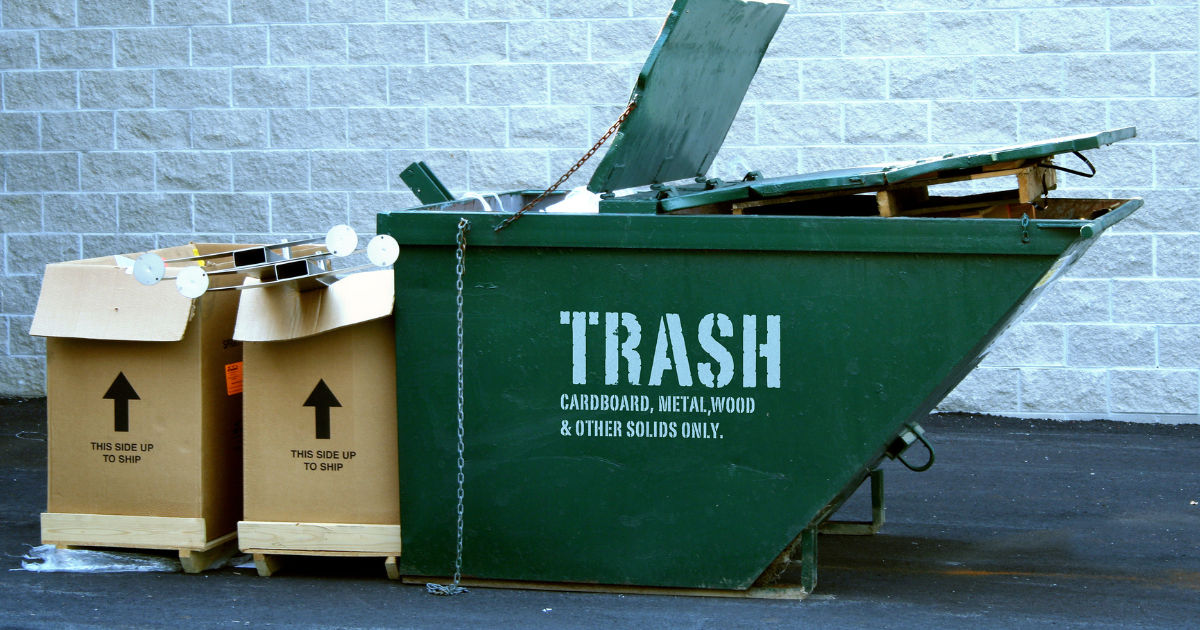
This comprehensive breakdown gives you clarity, helps you make smarter decisions, and ensures you get the most value out of your roll off dumpster service experience.
What a Roll-Off Dumpster Service Includes
A roll off dumpster service provides large, open-top dumpsters that are transported using specialized trucks. These dumpsters “roll off” the back of the truck during delivery and “roll back on” during pickup. Unlike smaller residential trash containers, roll-off dumpsters are designed for heavy loads and high-volume waste.
Customers use a roll off dumpster service for projects like:
-
Home remodeling
-
Roofing tear-offs
-
Concrete removal
-
Yard and storm cleanup
-
Office remodeling
-
Construction and demolition
-
Community cleanups
-
Estate cleanouts
Before the delivery process begins, most companies offering a roll off dumpster service will ask questions about your project to ensure the dumpster size, placement, and timing meet your needs.
Step 1: Contacting the Roll-Off Dumpster Company
The delivery process starts when you reach out to a roll off dumpster service provider. At this point, you usually discuss your project, waste type, and scheduling needs.
A typical conversation with a roll off dumpster service company includes:
-
Type of project and expected waste
-
Dumpster size requirements (10-yard, 20-yard, 30-yard, 40-yard)
-
Delivery location
-
Length of rental period
-
Weight limits
-
Restricted materials
The company will help you choose the right dumpster and explain what their roll off dumpster service covers, including delivery, pickup, disposal fees, and rental terms.
Step 2: Choosing the Right Dumpster Size
Selecting the correct size is essential because it affects cost, delivery logistics, and loading safety. A roll off dumpster service typically offers four main sizes:
10-Yard Dumpster
Good for small cleanouts, minor renovations, and limited debris.
20-Yard Dumpster
Most popular for medium-sized projects like roofing, flooring, and kitchen renovations.
30-Yard Dumpster
Ideal for major residential remodels, whole-house cleanouts, and large projects.
40-Yard Dumpster
Used for heavy-duty construction, commercial renovations, or large demolition jobs.
The roll off dumpster service provider will match your needs with the correct size, reducing the chance of needing a second rental or dealing with overloading fees.
Step 3: Reviewing Pricing and Service Terms
Before confirming your order, the company providing the roll off dumpster service will give you a detailed cost breakdown.
Pricing usually includes:
-
Delivery fee
-
Pickup fee
-
Dumpster size rate
-
Weight limit and potential overage fees
-
Rental duration
-
Fuel or environmental fees
A professional roll off dumpster service will also explain prohibited items like paint, batteries, chemicals, or hazardous materials. Understanding these policies prevents fines and ensures safe disposal.
Step 4: Scheduling the Delivery
Once you agree to the terms, the roll off dumpster service schedules your delivery. Companies typically offer flexible drop-off windows.
During scheduling, you choose:
-
Delivery date
-
Delivery time or time window
-
Placement location
-
Rental duration
The roll off dumpster service may confirm the details before dispatching a truck, especially if you’re in a location with tight access or limited placement options.
Step 5: Preparing the Drop-Off Location
Proper site preparation ensures safe and quick delivery. A roll off dumpster service requires a clear and accessible area for drop-off.
To prepare:
Ensure Enough Space
The roll-off truck needs about 60–80 feet of clearance to lower the dumpster into place.
Remove Obstacles
Move cars, equipment, trailers, outdoor furniture, or debris from the area.
Check Overhead Clearance
Ensure there are no tree branches, wires, or structures above the drop zone.
Protect the Surface
Some customers place plywood or boards under the dumpster if the surface is sensitive.
Provide Clear Instructions
If you can’t be present, mark the exact location and communicate with the roll off dumpster service ahead of time.
Preparing well benefits both you and the roll off dumpster service, reducing the chance of rescheduling or placement problems.
Step 6: Delivery Day Arrival and Drop-Off
On delivery day, a professional driver arrives in a heavy-duty truck designed for transporting roll-off containers. Companies offering a roll off dumpster service train their drivers to position dumpsters safely and efficiently.
What Happens During Delivery:
-
The driver inspects the location.
They confirm it matches the instructions given to the roll off dumpster service. -
The truck backs into position.
Precision is essential because dumpsters must be placed accurately. -
The dumpster is lowered.
The driver uses the hydraulic system to “roll off” the container onto your chosen spot. -
Final adjustments are made.
They ensure the dumpster is level and stable before leaving.
A high-quality roll off dumpster service will never rush this step because misplacement can affect loading safety and the pickup process later.
Step 7: Using the Dumpster During Your Project
With the dumpster delivered, you can begin loading it with debris. The roll off dumpster service guidelines usually include rules for safe loading.
Tips for Using Your Dumpster:
-
Load debris evenly to prevent tipping.
-
Keep materials below the top edge.
-
Avoid throwing prohibited items inside.
-
Distribute heavy debris (like concrete) evenly.
-
Close the door securely before filling the rest.
Following the recommendations from your roll off dumpster service will help you avoid damage, injuries, or additional fees.
Step 8: Monitoring Weight Limits and Restrictions
Every roll off dumpster service sets weight limits based on dumpster size and local landfill regulations. Exceeding these limits can result in extra charges because disposal facilities charge by total weight.
Restricted items vary, but a roll off dumpster service typically prohibits:
-
Hazardous chemicals
-
Oils, fuels, or solvents
-
Car batteries
-
Tires
-
Medical waste
-
Flammable liquids
If you’re unsure, contact your roll off dumpster service provider before tossing questionable materials into the dumpster.
Step 9: Requesting Pickup When Finished
When your project is complete or the dumpster is full, you contact the roll off dumpster service to schedule pickup.
During this call, you confirm:
-
Dumpster size
-
Location
-
Pickup date
-
Any additional loads required
-
Whether you're extending your rental period
A reliable roll off dumpster service offers quick pickup scheduling to keep your project moving.
Step 10: Pickup and Hauling Away the Dumpster
On pickup day, the driver arrives and prepares the dumpster for transport. The process is the reverse of delivery, but it also includes important safety checks.
The pickup process involves:
-
The driver inspects the dumpster to ensure loading complies with the rules of the roll off dumpster service.
-
The hydraulic lift pulls the dumpster onto the truck in a controlled motion.
-
The driver secures the load with safety chains and covers if needed.
-
The dumpster is transported to an approved landfill or recycling facility.
A dependable roll off dumpster service disposes of waste responsibly and follows local environmental regulations.
Step 11: Waste Sorting and Responsible Disposal
After pickup, the waste is taken to a sorting or disposal facility. Many roll off dumpster service companies prioritize recycling whenever possible.
Materials commonly diverted from landfills include:
-
Metal
-
Concrete
-
Wood
-
Cardboard
-
Plastics
-
Roofing shingles
-
Yard debris
Using a responsible roll off dumpster service helps reduce environmental impact and ensures your waste is handled legally and ethically.
Step 12: Final Billing and Completion of Service
Once waste is processed, the roll off dumpster service compiles weight tickets and any applicable fees. You receive your final invoice, which may include:
-
Base rental fee
-
Additional days (if extended)
-
Overweight charges
-
Restricted item fees
-
Fuel or environmental surcharges
A transparent roll off dumpster service provides clear documentation so you understand every cost.
Common Mistakes to Avoid During Roll-Off Dumpster Delivery
Many customers unintentionally cause delays or added expenses because they don’t fully understand how a roll off dumpster service works. Avoid these common mistakes:
Not Preparing the Site
Blocked or tight areas can force the driver to reschedule.
Choosing the Wrong Size
Too-small dumpsters lead to rentals being extended or replaced.
Ignoring Weight Limits
Heavy materials like concrete or dirt can exceed limits easily.
Overfilling the Container
A roll off dumpster service can't legally haul overloaded or unsafe loads.
Disposing of Prohibited Items
Hazardous materials cause safety and environmental issues.
By being informed, you get the most efficient results from your roll off dumpster service.
Benefits of Understanding the Delivery Process
Knowing how the delivery process works gives you several advantages:
Better Planning
You can schedule your project around the arrival of the roll off dumpster service.
Fewer Hidden Fees
Understanding the rules helps you avoid overweight or contamination charges.
Improved Safety
Proper placement and safe loading prevent accidents.
Greater Efficiency
Your project stays on track with fewer interruptions.
Better Communication
You can coordinate more effectively with the roll off dumpster service provider.
A smooth delivery experience starts with good communication and clear expectations.
Conclusion
The process of roll-off dumpster delivery is more detailed than many people realize, but understanding each step helps you make the most of your roll off dumpster service. From the first phone call to site preparation, delivery, safe loading, and final pickup, every stage plays an important role in keeping your project efficient, safe, and well-organized.
A dependable roll off dumpster service will guide you through sizing, scheduling, placement, restrictions, and disposal, ensuring the entire experience is smooth and stress-free. By preparing your site, following the usage guidelines, and communicating clearly, you can avoid delays, unexpected fees, and safety hazards.
Whether you're tackling a home renovation, large cleanup, or major construction project, choosing a professional roll off dumpster service gives you the right tools and support to manage waste responsibly and efficiently.