A Guide To Selecting The Best Windows 11 License: Home Oem, Pro, Or Retail
The landscape of PC software licensing has drastically changed in the last few years since Windows 7. Instead of the standard purchase of a program in a box, there are numerous choices to select from: OEM vs. There are perpetual keys, subscriptions and Pro. It can be a bit confusing for the user, and particularly people who run systems on behalf of others, to figure out terms like windows lizenz purchase or windows oem. This guide will help you cut through the confusion and offers ten key information to aid in making your choice (windows11 purchase) as well as ongoing management of your system. We'll link these choices to other choices related to server access software, productivity suites, and software for security.
1. The "Windows 7 Hangover" Understanding the shift in the License Paradigm.
If you decide to upgrade from Windows 7, your first shock will be the licensing model. Windows 7 had a primarily retail, permanant licenses that were easy to transfer. Windows 11 licensing today is much more complex and tied to Microsoft accounts. A Windows 11 home key` or Pro key that you buy today doesn't come on a disc; it's a digital license linked to your account and hardware. You're usually buying a key to activate your digital entitlement when purchasing windows11 lizenz. Learn the distinctions between Retail and OEM transfer rules.
2. OEM Licenses – The bargain that comes with a permanent price tag
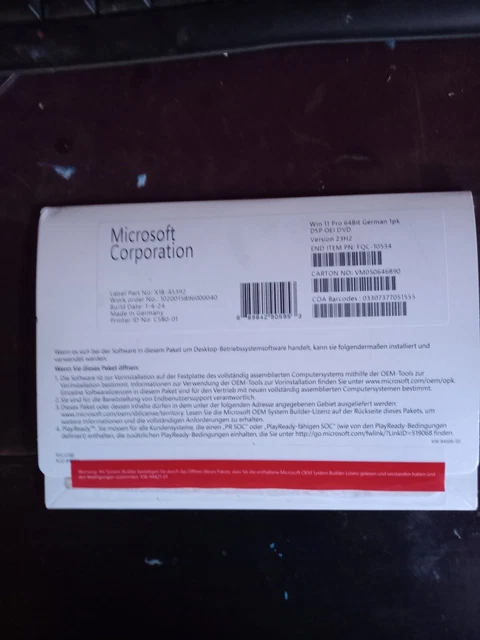
It's the least expensive and widely used license, however it's conditional. The "system builders" version is permanently tied to the motherboard that it was activated. This isn't the right choice when you frequently upgrade your PC or are planning to move the OS. Importantly, Microsoft provides no direct support for OEM licenses; the obligation lies with the PC builder or the seller. Keys that look to be priced too low are most likely OEM keys of questionable origin. They may be in violation of licensing terms or risk deactivation.
3. Retail Licenses are your insurance plan for the development of hardware.
With a retail Windows lizenz you can transfer the license onto another computer and get direct Microsoft assistance. This license can be disabled on one machine and then transferred to a different. It's the only choice that gives you a license which is independent of your hardware. If you view your PC as an ongoing project, or for IT departments that require flexibility, the greater upfront cost of a Retail license is an investment for the long term that doesn't require repurchasing the OS every time there is a major hardware update.
4. Home vs. Pro: It is about control, not just the features.
Windows 11 Home aggressively manages the user. It requires auto-updates, reboots, and shows more ads. Windows 11 Home controls the user in a way that is aggressive. It automatically reboots and updates, shows more advertising and suggestions but lacks tools like Local Group Policy Editor, and forces users to allow advertisements. The Pro version allows you to regain control. You can defer updates for up to a week, personalize your experience and block "consumer friendly" interruptions. If you want predictability and autonomy from your computer, Pro is the only choice.
5. Windows 11 License Conundrum. What is the reason that the fee for entry is all you need to pay.
Your desktop license is only one-third of the issue if you are connecting to a network using a Windows Server 2025. Legally, you must have an Client Access License (CAL) for every device or user accessing the server's resources. Windows 11 Pro doesn't include the Client Access License (CAL). It's a separate and frequently overlooked cost (cals). Windows 11 Home is not licensed for use in business settings. This is in addition to any technical solutions. Make sure to include CALs in your budget for a server network.
6. OS Choice Decides Your Needs for Security Software.
Windows licenses dictate your security measures. Windows 11 Pro includes built-in features like BitLocker. The more powerful Defender and BitLocker might allow you to reduce your dependence on third-party security suites. If you're a fan of Home or need enhanced protection an additional suite, such as "norton 360" or kaspersky Premium, can make up the holes. Importantly, when running these suites with Pro you can disable redundant features like simple disk-encryption to reduce performance. Your OS license should be coordinated with your security software.
7. Office License: A mirror to your Windows decision
The decision tree for an Office lizenz buy directly mirrors Windows. There is a similar choice to make: a per-year license (Office 2020/2024) which is tied to a particular computer (like OEM), versus the Microsoft 365 subscription-based license, that is a user-centric license and transferable. It's important to ensure to ensure that your office-lizenz plan is in line with the Windows concept. Microsoft 365 is available as a subscription per user, provided you have a Windows Retail licence that can be transferred. A perpetual Office license could be enough when you think of a computer as a sealed machine.
8. The "Kaufen" Caveat: Geographic Pricing and Grey Market Peril.
If you type in windows11 kaufen or windows11 lizenz buy, the results will be wildly different. It's because of the grey market and the pricing of different regions. Microsoft could be harmed if sellers distribute keys meant to be used in countries that are less expensive. Keys can be cancelled. The only legitimate purchases, OEM and Retail, come from authorized retailers or distributors within your area. The most affordable keys can be the most costly, leading to systems being deactivated and losing data.
9. Windows Server 2025: Integration Path for Future-Proofing Windows Server Pro.
Are you planning for the future? Windows server 2025 integration requires Windows 11 Pro on the client device to join a realm to allow central administration. You cannot domain-join a Windows 11 Home PC. The decision to invest in Pro licenses today, even for a small configuration, will provide an easy on-ramp to a server environment that is managed when you need it. This will help you avoid the expense and disruption of a migration to Pro as soon as the first server is set up.
10. The process of creating an Cohesive Software Estate: License Harmony.
It is recommended to aim for licensing coherence as the ultimate goal. Windows 11 Pro Retail Licenses (for control and transferability) and Microsoft 365 Business Premium Subscriptions for Office, Cloud Services, and Device Management + Enterprise-grade Security (like Kaspersky Premium managed through a central console) could be a coherent arrangement. This creates an auditable, user-focused software estate. However, the combination of an oem from the grey market Windows 11 and a standalone "office lizenz" together with norton360 for consumers creates an unreliable, difficult-to-manage patchwork, which risks security and compliance. Think about the entire ecosystem and not just individual purchases. Check out the best windows 11 lizenz for website examples including office2019 download, microsoft office with key, ms visio software, windows server software, outlook software download, windows server 2019, windows server software, office 365 office key, visio download, windows office and more.
Software Licensing: From One-Time Purchases To Subscriptions.
The journey from purchasing a `windows 7` DVD from a box to signing up to a service like Microsoft 365 represents one of the most significant shifts that have occurred in the world of digital. This isn't just a change in payment method, but a complete transformation in the interaction between a user and software, with the potential to impact security, productivity, and total cost of ownership. The old paradigm–exemplified by a one-time `office lizenz kaufen` or an `windows 11 oem` key tied to hardware–valued static ownership and predictable, upfront capital expenditure. The new model, represented through subscriptions to Windows (via Microsoft 365), `kaspersky premium`, and `norton 360`, trades that permanence for continuous updates, cloud integration, and a shift towards operational expenses. Understanding the evolution of this model allows you to navigate contemporary licensing options, stay clear of the risks of grey market keys (windows lizenz purchase) and make the right decisions that align with how software works today.
1. The Security Imperative was the main driving force behind the change.
The one-time, static model collapsed under the weight of the modern cybersecurity threats. An old Windows 7 license or a perpetual Office lizenz from 2019 becomes vulnerable because security threats continue to change. The subscription model aligns vendors' financial interests and user security. Microsoft has to update Defender as well as Office 365 regularly to justify the monthly cost. Norton and Kaspersky have to update their security to keep you. The older model came with ending-of-support cliffs similar to Windows 7's. However, a subscription gives you a constantly maintained security area.
2. Ecosystem Lock in: From the Platform to the Product.
The product was bought once. A platform subscription is what you get when you subscribe to an online platform. If you buy a "windows home key" this will give you the platform. Microsoft 365 Business comes with Windows 11 (with the upgrade rights), Office 2013, OneDrive, Teams and SharePoint. Interoperability is the key. This results in a powerful locking-in effect, however it also provides a great convenience, and capability. The licensing unit has shifted from the device, to the person who is the user.
3. Existential Crisis in the Grey Market
The subscription model has an inherent repulsion to the black market that thrives off windows11 kaufen scams. The subscription code is a credential, not just a set of numbers. It is linked to an identity, and billing and it expires. Volume Licenses as well as OEM keys cannot be sold in a way that is illegal. The growth of subscriptions is slowly sucking up the market for key resellers, pushing users towards legitimate channels or leaving them on obsolete, insecure perpetual versions.
4. Business Accounting Revolution: Predictable OpEx vs. Lump Sum CapEx
For businesses, this shift takes software from being a capital expenditure (CapEx–a huge, often-infrequent expenditure that is depreciated over time) into an operating expense (OpEx–a predictable, recurring cost). This is financially liberating for small businesses, improving cash flow. However, it alters budgeting process. Now you must account for continuing costs for cals to your Windows 2025 server as well as monthly user fees for security and productivity suites. In the course of five years, the price of subscription will often be greater than the initial cost. However, it includes ongoing innovation and support which the older model did not.
5. Windows 11 Dual nature: The "Hybrid Model" and its ambiguities, as well as the "Hybrid Model".
Windows 11 is the first operating system that spans both eras. You can buy an OEM license for Windows 11 once (the old model). Also available is a Microsoft 365 Business/Enterprise benefit (the new model). The hybrid model can create confusion. Windows' "subscription" is not the OS itself, as it was previously thought of. It's the ability to use the current version using the cloud management service. There are two classes of users created by this one: those who own a snapshot (Windows 11-24H2), and those who lease an constantly up-to-date service that is constantly updated.
6. Third-Party Security Suites Were Pioneers.
Companies like Norton (`norton 360) as well as Kaspersky (`kaspersky premium) were the first adopters of the subscription model used for consumer software. Their business was always dependent on current threats definitions. The company seamlessly changed from selling three-year licenses to a subscription that automatically renews. To increase the value of their products, they frequently include other services, like cloud backup and password management to decrease churn and increase monthly revenue. Their model was the genesis of the larger industry shift.
7. The Server-Side Parallel: CALs as the original "User Subscription".
Client Access licenses (also called Cals) that were created in Windows Server 2025 and are the precursors to modern subscriptions. The Client Access Licenses are an ongoing right to use the software, regardless of whether you've purchased the server previously. They're essentially an "subscription" per user/device to the services offered by the server, despite they're typically purchased in advance. The current Azure cloud model allows for this to be fully operational, charging for compute, storage, and user access per second or monthly, and completing the transition from perpetual server licenses and CALs to a pure consumption-based pricing.
8. The Data Sovereignty Challenge: Loss of Permanentity
Subscriptions are well-known for their insanity. If you stop paying for the office lizenz subscription, you'll lose access to the apps as well as your personal data if it's trapped in the cloud ecosystem (like OneDrive). A perpetual Office 2021 license keeps functioning forever, albeit frozen in time. This grants power to the company, and results in a data lock-in. The smart user needs an explicit plan for data extraction and migration as part of their subscription plan, which is not necessary with a boxed copy of Office 2010.
9. Fragmentation, as well as the Bundling counter-trend
Subscription fatigue is being countered by a new trend. "Lifetime licenses" for niche software are marketing tools capitalizing on the weariness of subscriptions. Additionally, the bundling of subscriptions — such as a norton360` + Office deal–is an attempt to provide value and ease in a fragmented subscription world. As we've previously mentioned in the past, these bundles typically contain a Norton 360 subscription and an Office perpetual license. This creates a confusing hybrid that illustrates the industry's difficult and confusing transitional state.
10. Strategic Licensing to the Subscription Age – The Integrated Stack.
This will result in a strategic stack that is more integrated than coordinating several subscriptions. For modern businesses that could mean: the Microsoft 365 Enterprise subscription (handling Windows, Office, Email, Collaboration, and Endpoint Security/Management) plus Azure AD & Intune (for managing identity and devices, replacing some traditional `windows server 2025and "cals functions) + potentially a specialized third-party security layer (like `kaspersky premium` for advanced threat hunting). The purpose of this is to unify management and decrease the amount of companies. This will enable software to evolve from a collection purchased products, into a fluid, cohesive utility that can power an organization consistently and reliably. Check out the top windows server 2025 for blog info including product keys, micro soft outlook, windows server software, microsoft office key, outlook software download, key 365 office, ms office 2019, microsoft office software key, key 365 office, microsoft visio software and more.